



For the last 2,000 years, many have tried to get around the fact that Jesus rose from the dead. The reason is that people understand that the resurrection validates the Man and His message. If Jesus rose, He is who He claimed to be — the very Son of God.
The article presents three thoroughly vetted historical and theological pieces of evidence that support the resurrection. It evaluates historical facts, analyzes eyewitness accounts, and scrutinizes historical documents. Additionally, the article considers the implications of societal change and religious belief in the resurrection of Jesus. These elements come together to provide a compelling argument for the resurrection.
1. Verification that Jesus died by crucifixion

Get Our Latest News for FREE
Subscribe to get daily/weekly email with the top stories (plus special offers!) from The Christian Post. Be the first to know.
There are very few scholars today who deny the evidence that the Romans crucified Jesus. Even liberal scholars like Bart Ehrman, James Tabor, and Elaine Pagels confirm that the canonical records are accurate in stating that Jesus was sent to be crucified by order of the Roman prefect of Judea, Pontius Pilate.
Another compelling proponent of Jesus’s death on the cross is David F. Strauss. Despite being a German liberal scholar who considered many Gospel stories to be mythical, Strauss acknowledged the seemingly unbelievable assertion that Jesus survived his crucifixion. In his work, A New Life of Jesus, Strauss elaborates, “It is impossible that a being who had stolen half-dead out of the sepulcher, who crept about weak and ill, wanting medical treatment, who required bandaging, strengthening and indulgence, and who still at last yielded to his sufferings, could have given to the disciples the impression that he was a Conqueror over death and the grave.”
Understandably, Jesus’s death on the cross is widely accepted due to early independent sources corroborating it. In addition to the canonical gospels, the book of Acts, and early creeds and traditions that circulated in the Pauline writings (e.g., 1 Corinthians 15:3-8), there are multiple noncanonical sources: Josephus, Clement of Rome, Ignatius, Tacitus, the Talmud, and Lucian of Samosata’s, among others.
Furthermore, when examining the details surrounding Jesus’s crucifixion, it becomes clear that there is no substantial argument to suggest that he either survived or orchestrated his death. Several well-documented historical and medical facts unequivocally eliminate any uncertainty regarding the possibility of Jesus surviving after being taken down from the cross.
Before His crucifixion, Jesus endured severe physical suffering. Luke recounts that Jesus experienced hematidrosis, a rare medical condition where extreme emotional distress causes blood vessels near sweat glands to burst, resulting in the mixture of blood with sweat (22:44). After his arrest, Jesus was subjected to brutal beatings by soldiers, enduring public floggings from his shoulders to his lower thighs, which tore away muscle tissue and exposed his organs (Matthew 27:26; Mark 15:15; Luke 22:63-65; John 19:1). Carrying a wooden beam secured to his back, Jesus made his way outside the city of Jerusalem to Golgotha, the location of His execution (John 19:16-17). According to Mark 15:25, Jesus was nailed to the cross at 9 am and was left there until 3 pm, as described in verses 33-37. John adds that when the soldiers came to Jesus and saw that He was already dead (19:33), a “soldier pierced Jesus’s side with a spear, resulting in the flow of blood and water” (19:34).
2. Early attestation of an empty tomb and postmortem appearances
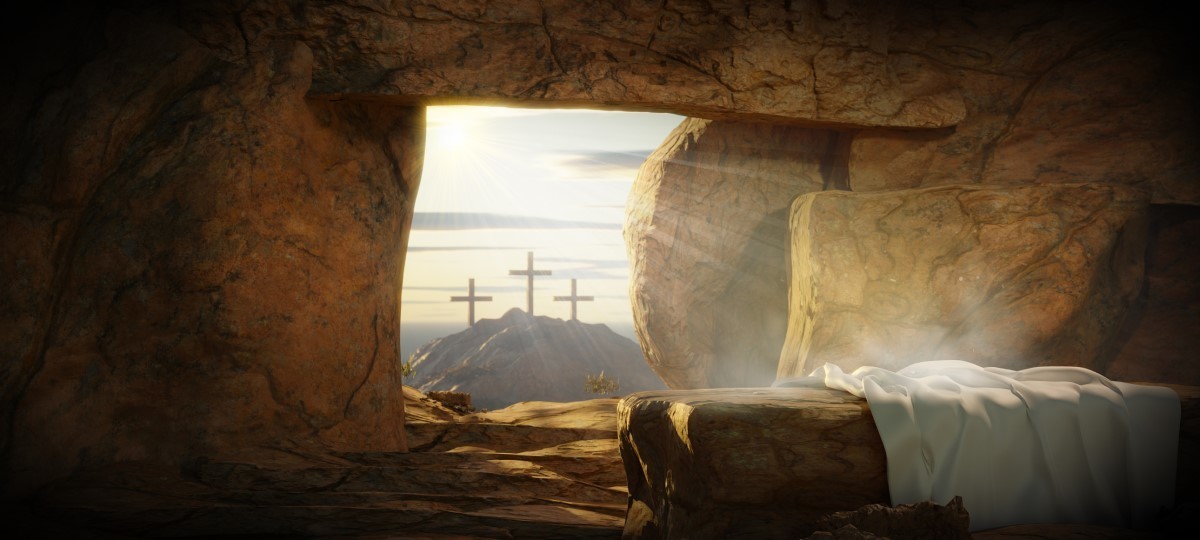
The fact that Jesus’s tomb was discovered empty just days after his crucifixion is a crucial element in the case of the resurrection.
The empty tomb of Jesus is a well-established fact supported by multiple early sources, including the writings of the apostle Paul and the canonical Gospels, all of which date before AD 80.
In 1 Corinthians 15:5-8 (written around AD 55), Paul gives a historical record of an early creed (circulated within five years after Jesus’s resurrection) that independently reports of people who saw the resurrected Christ: “[Jesus] appeared to Cephas (Peter), then to the 12. Then he appeared to more than 500 brothers at one time, most of whom are still alive, though some have fallen asleep. Then he appeared to James, then to all the apostles. Last of all, as to one untimely born, he appeared also to me.”
The presence of numerous eyewitnesses who not only saw but also conversed and interacted with the postmortem Jesus strongly supports the narrative of an empty tomb. Among these witnesses, Mary Magdalene is the first person to encounter the resurrected Christ. Alongside a small group of women, she was among the initial individuals to approach Jesus’ tomb, only to discover it was vacant. The significance of this account lies in the fact that, at that time, women held limited credibility and were deemed ineligible as legal witnesses. Therefore, it is highly unlikely that the disciples would have fabricated a story where women played a central role in being the primary witnesses of such a monumental event.
Moreover, upon their return from the tomb, these women boldly shared their encounter with the resurrected Christ to further substantiate the authenticity of their claims before the disciples and others. In Luke 24:11, it says that “these words seemed to [the disciples] an idle tale, and they did not believe [the women].” This is hardly something to put into a made-up story. The only likely reason that the women are recorded as the first eyewitnesses and that the disciples initially disbelieved their report is because that’s precisely what happened. The women and the disciples were telling the truth.
Furthermore, the presence of alternative explanations (e.g., the disciples stole the body) that sought to discredit the postmortem sightings of Jesus underscores the strength of the evidence pointing to an empty tomb (Matthew 28:11-15). Even the Muslims in the 7th century attempted to explain Jesus’s tomb being empty as a divine or miraculous escape from crucifixion (Surah 4:157-8).
When coupled with the lack of a body and the widespread accounts of Jesus being seen after his death, the alternative explanations seem to reinforce the notion that the tomb was indeed empty.
3. The transformation of the disciples
There are numerous historical details supporting the resurrection of Jesus, but one last particularly compelling piece of evidence is the transformation of the disciples.
The transformation of the disciples from fearful and disheartened followers to bold and unwavering proclaimers of the resurrection presents a compelling argument for the truth of the resurrection of Jesus. Their willingness to endure persecution and even martyrdom for their belief in the risen Christ speaks to the sincerity of their conviction.
Despite intense opposition and persecution, the early days of Christianity witnessed a rapid expansion in Jerusalem. This growth and spread of the Christian movement in the face of such challenges is a testament to the powerful impact of the resurrection. The fact that countless individuals were willing to stake their lives and reputations on the truth of the resurrection further underscores its significance as a historical reality.
Upon genuine examination of these pieces of evidence, it becomes clear that a thorough investigation into the resurrection of Jesus Christ reveals a compelling case for its historicity, rather than dismissing it as a mere myth or legend.
For the last 2,000 years, many have tried to get around the fact that Jesus rose from the dead. The reason is that people understand that the resurrection validates the Man and His message. If Jesus rose, He is who He claimed to be — the very Son of God.
The article presents three thoroughly vetted historical and theological pieces of evidence that support the resurrection. It evaluates historical facts, analyzes eyewitness accounts, and scrutinizes historical documents. Additionally, the article considers the implications of societal change and religious belief in the resurrection of Jesus. These elements come together to provide a compelling argument for the resurrection.
1. Verification that Jesus died by crucifixion
Get Our Latest News for FREE
Subscribe to get daily/weekly email with the top stories (plus special offers!) from The Christian Post. Be the first to know.
There are very few scholars today who deny the evidence that the Romans crucified Jesus. Even liberal scholars like Bart Ehrman, James Tabor, and Elaine Pagels confirm that the canonical records are accurate in stating that Jesus was sent to be crucified by order of the Roman prefect of Judea, Pontius Pilate.
Another compelling proponent of Jesus’s death on the cross is David F. Strauss. Despite being a German liberal scholar who considered many Gospel stories to be mythical, Strauss acknowledged the seemingly unbelievable assertion that Jesus survived his crucifixion. In his work, A New Life of Jesus, Strauss elaborates, “It is impossible that a being who had stolen half-dead out of the sepulcher, who crept about weak and ill, wanting medical treatment, who required bandaging, strengthening and indulgence, and who still at last yielded to his sufferings, could have given to the disciples the impression that he was a Conqueror over death and the grave.”
Understandably, Jesus’s death on the cross is widely accepted due to early independent sources corroborating it. In addition to the canonical gospels, the book of Acts, and early creeds and traditions that circulated in the Pauline writings (e.g., 1 Corinthians 15:3-8), there are multiple noncanonical sources: Josephus, Clement of Rome, Ignatius, Tacitus, the Talmud, and Lucian of Samosata’s, among others.
Furthermore, when examining the details surrounding Jesus’s crucifixion, it becomes clear that there is no substantial argument to suggest that he either survived or orchestrated his death. Several well-documented historical and medical facts unequivocally eliminate any uncertainty regarding the possibility of Jesus surviving after being taken down from the cross.
Before His crucifixion, Jesus endured severe physical suffering. Luke recounts that Jesus experienced hematidrosis, a rare medical condition where extreme emotional distress causes blood vessels near sweat glands to burst, resulting in the mixture of blood with sweat (22:44). After his arrest, Jesus was subjected to brutal beatings by soldiers, enduring public floggings from his shoulders to his lower thighs, which tore away muscle tissue and exposed his organs (Matthew 27:26; Mark 15:15; Luke 22:63-65; John 19:1). Carrying a wooden beam secured to his back, Jesus made his way outside the city of Jerusalem to Golgotha, the location of His execution (John 19:16-17). According to Mark 15:25, Jesus was nailed to the cross at 9 am and was left there until 3 pm, as described in verses 33-37. John adds that when the soldiers came to Jesus and saw that He was already dead (19:33), a “soldier pierced Jesus’s side with a spear, resulting in the flow of blood and water” (19:34).
2. Early attestation of an empty tomb and postmortem appearances
The fact that Jesus’s tomb was discovered empty just days after his crucifixion is a crucial element in the case of the resurrection.
The empty tomb of Jesus is a well-established fact supported by multiple early sources, including the writings of the apostle Paul and the canonical Gospels, all of which date before AD 80.
In 1 Corinthians 15:5-8 (written around AD 55), Paul gives a historical record of an early creed (circulated within five years after Jesus’s resurrection) that independently reports of people who saw the resurrected Christ: “[Jesus] appeared to Cephas (Peter), then to the 12. Then he appeared to more than 500 brothers at one time, most of whom are still alive, though some have fallen asleep. Then he appeared to James, then to all the apostles. Last of all, as to one untimely born, he appeared also to me.”
The presence of numerous eyewitnesses who not only saw but also conversed and interacted with the postmortem Jesus strongly supports the narrative of an empty tomb. Among these witnesses, Mary Magdalene is the first person to encounter the resurrected Christ. Alongside a small group of women, she was among the initial individuals to approach Jesus’ tomb, only to discover it was vacant. The significance of this account lies in the fact that, at that time, women held limited credibility and were deemed ineligible as legal witnesses. Therefore, it is highly unlikely that the disciples would have fabricated a story where women played a central role in being the primary witnesses of such a monumental event.
Moreover, upon their return from the tomb, these women boldly shared their encounter with the resurrected Christ to further substantiate the authenticity of their claims before the disciples and others. In Luke 24:11, it says that “these words seemed to [the disciples] an idle tale, and they did not believe [the women].” This is hardly something to put into a made-up story. The only likely reason that the women are recorded as the first eyewitnesses and that the disciples initially disbelieved their report is because that’s precisely what happened. The women and the disciples were telling the truth.
Furthermore, the presence of alternative explanations (e.g., the disciples stole the body) that sought to discredit the postmortem sightings of Jesus underscores the strength of the evidence pointing to an empty tomb (Matthew 28:11-15). Even the Muslims in the 7th century attempted to explain Jesus’s tomb being empty as a divine or miraculous escape from crucifixion (Surah 4:157-8).
When coupled with the lack of a body and the widespread accounts of Jesus being seen after his death, the alternative explanations seem to reinforce the notion that the tomb was indeed empty.
3. The transformation of the disciples
There are numerous historical details supporting the resurrection of Jesus, but one last particularly compelling piece of evidence is the transformation of the disciples.
The transformation of the disciples from fearful and disheartened followers to bold and unwavering proclaimers of the resurrection presents a compelling argument for the truth of the resurrection of Jesus. Their willingness to endure persecution and even martyrdom for their belief in the risen Christ speaks to the sincerity of their conviction.
Despite intense opposition and persecution, the early days of Christianity witnessed a rapid expansion in Jerusalem. This growth and spread of the Christian movement in the face of such challenges is a testament to the powerful impact of the resurrection. The fact that countless individuals were willing to stake their lives and reputations on the truth of the resurrection further underscores its significance as a historical reality.
Upon genuine examination of these pieces of evidence, it becomes clear that a thorough investigation into the resurrection of Jesus Christ reveals a compelling case for its historicity, rather than dismissing it as a mere myth or legend.


