


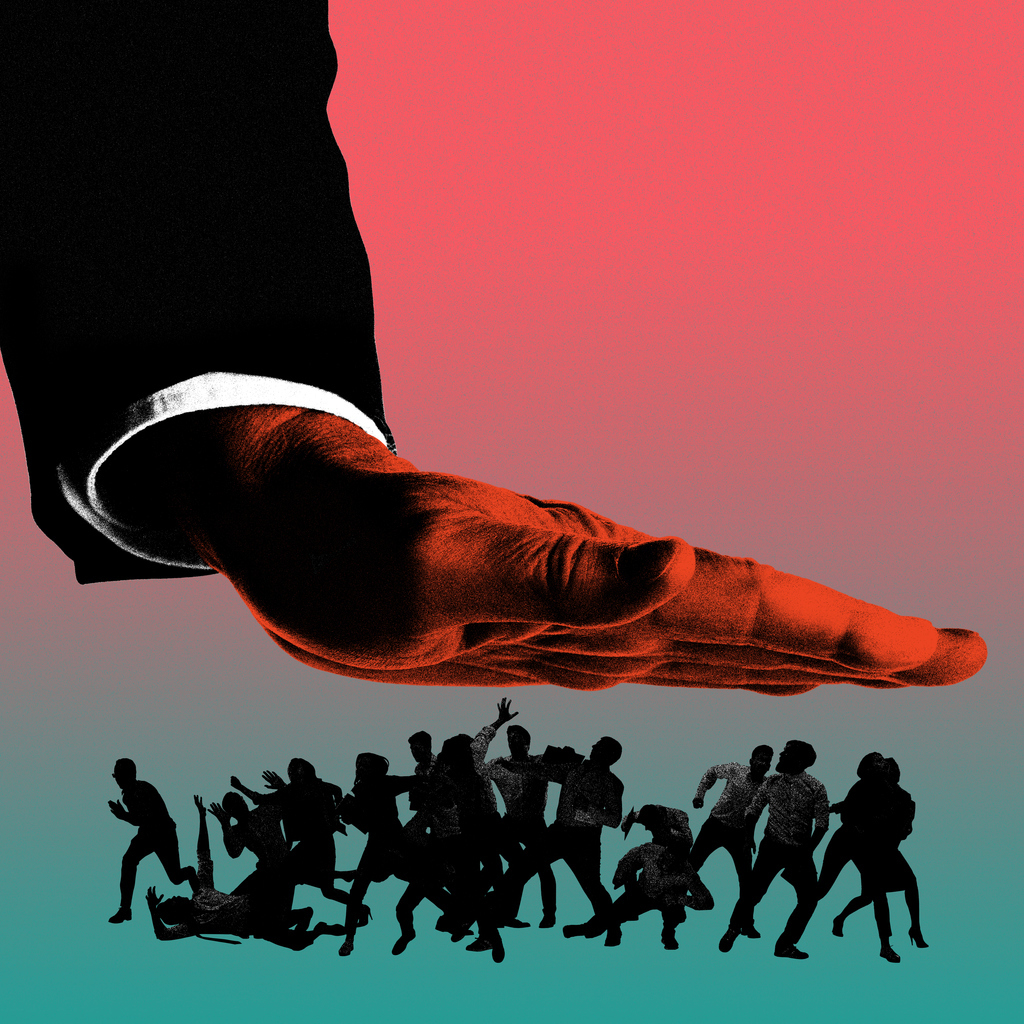

Across the world today — whether in anxious democracies or confident authoritarian systems — many citizens are drawn to leaders who promise strength, decisiveness, and protection. These figures present themselves as saviors of the nation, defenders of identity, and restorers of order. For Christians, however, this attraction is not merely political. It is theological. The question is not only whether such leaders “work,” but what kind of salvation they offer and what kind of people they form.
A rival story of salvation
The strong political man offers a simple and powerful story. Fear will be defeated by force. Unity will be achieved by identifying enemies. Complexity will be solved by concentrating authority in a single will. Public trust is redirected away from shared institutions and placed in one commanding figure.
This story resonates deeply in societies marked by insecurity and loss. Yet it functions as a rival gospel. It asks for devotion, trust, and hope that properly belong to God. When political strength becomes salvific, politics becomes theology by other means.
“Give us a king like the nations”
Scripture diagnoses this temptation early. In 1 Samuel 8, Israel demands a king “like the nations” who will fight their battles. God permits the request but exposes its cost: the king will “take” repeatedly — land, labor, dignity — until the people themselves are consumed by the power they sought for safety.
This is not an argument against government. It is a warning against absolutizing it. Deuteronomy insists that kings must live under limits: restrained militarism, restrained wealth, restrained ego. Strongman politics grows by mocking such limits. The biblical vision insists that restraint is wisdom, not weakness.
Prophetic resistance to royal consciousness
The prophets sharpen the critique. They confront what theologian Walter Brueggemann calls “royal consciousness”— a social imagination that normalizes inequality, numbs compassion, and treats domination as order.
Strongman cultures survive by disciplining emotion and imagination: do not feel too much, do not question too deeply, trust the leader. Prophetic faith refuses this training. It insists that public truth includes the cries of the poor, the dignity of the stranger, and the accountability of rulers. When religion is used to sanctify power, prophecy returns as an unwelcome voice.
Jesus and the refusal of coercive power
Jesus decisively rejects the strongman path. “The rulers of the Gentiles lord it over them,” he says. “Not so with you” (Mark 10:42–45). Authority is redefined as service; greatness is measured by self-giving.
This is not merely advice for church leadership. It is a public theology of power. The cross reveals that domination is not morally neutral; it is spiritually deforming. Any politics that requires humiliation, contempt, or coercion stands in tension with the way of Christ.
Empire as rival worship
The book of Revelation intensifies the warning. Empire appears not only as violent but as seductive, demanding awe and total allegiance. The danger is not only injustice but idolatry. Politics becomes liturgy. Loyalty becomes worship.
This is the decisive theological insight: the strong political man is not only a temptation to harshness. He is a temptation to a false Christ — a substitute savior who promises salvation without the cross.
Ordered love and the limits of politics
Augustine helps clarify the stakes. Societies are shaped by what they love most. When political greatness, security, or cultural purity becomes ultimate, injustice becomes tolerable and cruelty becomes rational.
Augustine does not reject political responsibility. He refuses political ultimacy. The earthly city may pursue peace and justice, but it cannot bear the weight of redemption. When it tries, it becomes spiritually dangerous.
Unity built on scapegoats
Strongman politics often manufactures unity by naming enemies. Minorities, dissenters, journalists, or critics are portrayed as threats to social survival. René Girard’s insight exposes the pattern: societies restore order by directing fear toward a scapegoat.
The Gospel contradicts this logic. The cross tells the story from the victim’s side. Jesus is executed as a public threat, yet God vindicates him. A church shaped by the cross cannot accept unity purchased by exclusion or humiliation.
When faith becomes a badge
Strong political leaders often court religion. Sacred language is borrowed; faith is framed as national identity. The temptation for the Church is subtle: political victory begins to feel like spiritual faithfulness.
At that point, Christianity becomes a badge rather than a confession. The cross becomes a symbol of power rather than a way of life. Truth becomes negotiable. Neighbors become expendable.
Public faithfulness without fear
The Church’s calling is not withdrawal from public life, nor uncritical endorsement of strength. It is public faithfulness without fear. Christians may disagree about policies, but they must agree about this: political power is not salvific.
If our politics makes us less compassionate, less truthful, more contemptuous, or more willing to excuse injustice “for the greater good,” something has gone wrong spiritually. Empires, like idols, always demand sacrifices.
Christian faith makes a scandalous confession: we worship a God who does not demand sacrifice but becomes the sacrifice. In a world hungry for strongmen, that confession remains both foolish and necessary — and it is the only ground on which Christian public witness can stand.
Rev. Dr. Richard Howell is the founder President of Caleb Institute. And Chairman of Evangelical Church of God established in 1977. He is the former General Secretary of Evangelical Fellowship of India. (1997-2015) and of Asian Evangelical Alliance for ten years. He was Vice President of World Evangelical Alliance of Four Years. And a founding member of Global Christian Forum.
Across the world today — whether in anxious democracies or confident authoritarian systems — many citizens are drawn to leaders who promise strength, decisiveness, and protection. These figures present themselves as saviors of the nation, defenders of identity, and restorers of order. For Christians, however, this attraction is not merely political. It is theological. The question is not only whether such leaders “work,” but what kind of salvation they offer and what kind of people they form.
A rival story of salvation
The strong political man offers a simple and powerful story. Fear will be defeated by force. Unity will be achieved by identifying enemies. Complexity will be solved by concentrating authority in a single will. Public trust is redirected away from shared institutions and placed in one commanding figure.
This story resonates deeply in societies marked by insecurity and loss. Yet it functions as a rival gospel. It asks for devotion, trust, and hope that properly belong to God. When political strength becomes salvific, politics becomes theology by other means.
“Give us a king like the nations”
Scripture diagnoses this temptation early. In 1 Samuel 8, Israel demands a king “like the nations” who will fight their battles. God permits the request but exposes its cost: the king will “take” repeatedly — land, labor, dignity — until the people themselves are consumed by the power they sought for safety.
This is not an argument against government. It is a warning against absolutizing it. Deuteronomy insists that kings must live under limits: restrained militarism, restrained wealth, restrained ego. Strongman politics grows by mocking such limits. The biblical vision insists that restraint is wisdom, not weakness.
Prophetic resistance to royal consciousness
The prophets sharpen the critique. They confront what theologian Walter Brueggemann calls “royal consciousness”— a social imagination that normalizes inequality, numbs compassion, and treats domination as order.
Strongman cultures survive by disciplining emotion and imagination: do not feel too much, do not question too deeply, trust the leader. Prophetic faith refuses this training. It insists that public truth includes the cries of the poor, the dignity of the stranger, and the accountability of rulers. When religion is used to sanctify power, prophecy returns as an unwelcome voice.
Jesus and the refusal of coercive power
Jesus decisively rejects the strongman path. “The rulers of the Gentiles lord it over them,” he says. “Not so with you” (Mark 10:42–45). Authority is redefined as service; greatness is measured by self-giving.
This is not merely advice for church leadership. It is a public theology of power. The cross reveals that domination is not morally neutral; it is spiritually deforming. Any politics that requires humiliation, contempt, or coercion stands in tension with the way of Christ.
Empire as rival worship
The book of Revelation intensifies the warning. Empire appears not only as violent but as seductive, demanding awe and total allegiance. The danger is not only injustice but idolatry. Politics becomes liturgy. Loyalty becomes worship.
This is the decisive theological insight: the strong political man is not only a temptation to harshness. He is a temptation to a false Christ — a substitute savior who promises salvation without the cross.
Ordered love and the limits of politics
Augustine helps clarify the stakes. Societies are shaped by what they love most. When political greatness, security, or cultural purity becomes ultimate, injustice becomes tolerable and cruelty becomes rational.
Augustine does not reject political responsibility. He refuses political ultimacy. The earthly city may pursue peace and justice, but it cannot bear the weight of redemption. When it tries, it becomes spiritually dangerous.
Unity built on scapegoats
Strongman politics often manufactures unity by naming enemies. Minorities, dissenters, journalists, or critics are portrayed as threats to social survival. René Girard’s insight exposes the pattern: societies restore order by directing fear toward a scapegoat.
The Gospel contradicts this logic. The cross tells the story from the victim’s side. Jesus is executed as a public threat, yet God vindicates him. A church shaped by the cross cannot accept unity purchased by exclusion or humiliation.
When faith becomes a badge
Strong political leaders often court religion. Sacred language is borrowed; faith is framed as national identity. The temptation for the Church is subtle: political victory begins to feel like spiritual faithfulness.
At that point, Christianity becomes a badge rather than a confession. The cross becomes a symbol of power rather than a way of life. Truth becomes negotiable. Neighbors become expendable.
Public faithfulness without fear
The Church’s calling is not withdrawal from public life, nor uncritical endorsement of strength. It is public faithfulness without fear. Christians may disagree about policies, but they must agree about this: political power is not salvific.
If our politics makes us less compassionate, less truthful, more contemptuous, or more willing to excuse injustice “for the greater good,” something has gone wrong spiritually. Empires, like idols, always demand sacrifices.
Christian faith makes a scandalous confession: we worship a God who does not demand sacrifice but becomes the sacrifice. In a world hungry for strongmen, that confession remains both foolish and necessary — and it is the only ground on which Christian public witness can stand.
Rev. Dr. Richard Howell is the founder President of Caleb Institute. And Chairman of Evangelical Church of God established in 1977. He is the former General Secretary of Evangelical Fellowship of India. (1997-2015) and of Asian Evangelical Alliance for ten years. He was Vice President of World Evangelical Alliance of Four Years. And a founding member of Global Christian Forum.


