



Perhaps it is symptomatic of these sorry times to turn a misunderstanding of an already trite slogan into an entire political philosophy; that is to say, to make the justice system decidedly unjust. This slogan is supposed to draw attention to the Christian idea that morality is internal and therefore invisible. Only the spirit of a man knows the thoughts within him, says the evangelist, and therefore the law cannot judge such things. True enough, but no sane person ever suggested this truth limits the civil law to nonexistence and anarchy, if such a thing could even exist.
Laws and courts exist to govern man’s outward behavior towards the maintenance of as good a civil society as possible in this fallen world. Christianity exists to endow men with the Holy Spirit and His sanctifying work on our invisible souls. And never the twain shall meet, or so we are told by the sloganeers.
I never quite became a libertarian, though the logic applies beautifully to economic questions. My hang-up began when I noticed libertarians constantly making the same argument that I’d often heard many atheists make: morality can be based on human flourishing. As per usual, the Christians made the most sophisticated case. In reality, they said, morality is based on God. But in a society that must suffer the input of non-believers, we cannot base the civil law on God, so we must find a secular basis for the law. And so, they would borrow the atheist argument that morality and the law on top of it can all be grounded in a secular utilitarian principle. I never quite understood whether they believed this was actually true or a useful fiction that must be tolerated due to some political principle, which itself was either obscure or at least certainly not coming from Christianity.
Political structures must be based on political realities, that is power relations. The flaws in political systems almost always have to do with a misalignment between formal and informal power structures. The real power must be formalized, or the real powers will always subvert the invented powers, leading to instability. The concept of power itself is a tricky thing. In principle, no human being holds any special power or authority over any other. All of us have real power only over our own thoughts, bodies, feelings, associations, etc. In the absence of any higher power, we might be tempted to think that individuals are the highest power in existence, and therefore the civil law must be formalized around individual autonomy. And so, the now obscure foundations of classical liberalism have been wrecked and replaced by the only true power of the individual over himself with all the attendant consequences.

Get Our Latest News for FREE
Subscribe to get daily/weekly email with the top stories (plus special offers!) from The Christian Post. Be the first to know.
The irony of our current mess lies in the supposed defenders of classical liberalism seeing no difference between that and totalitarian libertarianism. Classical liberalism, they say, was always the elevation of the people above the government, rather than the medieval arrangement in the other direction. This is only partly correct. This adjustment was made, but at least the American Founders never intended to remove other, higher powers from the equation. They assumed those higher powers would remain in place as they were in their own time, and the lack of formal structures enshrining what they assumed was no detriment. We have learned otherwise. Over time, what formal structures they did have referencing the higher powers have been removed one by one until nothing remains, even informally, of the original arrangement.
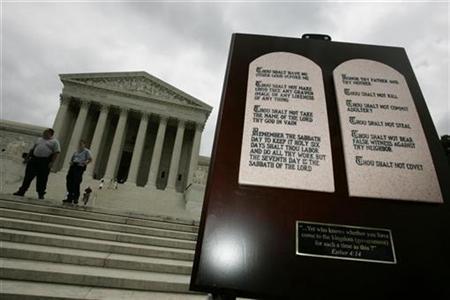
Things have gotten so bad that today Christian apologists will argue vociferously in the context of their discipline that morality can only be based on God. This is so revered a concept that it constitutes one of the major arguments for the very existence of God: The moral argument. Yet often I see these same people arguing that the law cannot be based on God. How is it then that the law, a system of rationalized and applied morality, can have nothing to do with God if God is the basis of morality? How is it then we cannot see the enemies of God taking direct aim at the justice system, replacing attorneys general with theologians of a new morality, intent on enforcing in practice what they cannot pass into law or harmonize with our existing justice system?
Faced with this type of threat, is our response really going to be that after all, you can’t legislate morality?
True morality cannot be legislated, but behavior can be. What’s more, we cannot help but legislate behavior, and only a truly committed dullard would claim that behavior has no connection to morality at all. If we legislated behavior without any basis in morality, that legislation would be by definition unjust. For a truly just society, we must legislate behavior on the basis of true morality, our laws echoing the real power structure beginning with God alone.
Christians, of course, know all this, but when it comes to the dirty business of politics, we wash our hands of the whole lot, content to watch in condemnation as the society around us, bereft of divine influence by our own reticence, devolves into chaos, nonsense, and horror. And we are shocked and surprised when the horror invades our own homes, as though we somehow thought our moral foundations in God would insulate us completely from the fallenness of the world. The phrase “Holier than thou,” comes to mind. A passive aggressive self-righteousness insisting simultaneously that the world must not be allowed to experience the benefits of Christian morality and also must be judged for its consequent self-destruction looks quite foolish when its chickens come home to roost and its students come home with top surgery.
And so, an evangelical church forever insisting on personal evangelism as the highest pursuit of the fervent, faithful Christian and the key to growing the church finds itself presiding over a declining Christianity, blaming everything and everyone but itself unless of course, the blame lies with an insufficient commitment to evangelism.
Perhaps the time has come for such self-righteousness to recognize its own vulnerabilities and think that maybe, perhaps, another suitable goal for the Christian church might be to bring formal power structures in line with the real power structure. No divine right of kings is necessary, for the Bible itself declares the spirit of our age: “Then the sovereignty, the dominion, and the greatness of all the kingdoms under the whole Heaven will be given to the people of the saints of the Highest One…” (Dan 7:27, NASB). As subtle an adjustment as it may seem from God > Church > Government > People to God > Church > People > Government, it is surely not as drastic an adjustment as removing God and Church from the equation entirely to leave only People > Government! Yet that is what we have done. And we wonder why God and Church recede from relevance. God forgive us.
Ben Kissling obtained a B.S. in biochemistry from the University of Nebraska – Lincoln and is currently enrolled in the M.A. in Science and Religion program at Biola University. He has worked in many different scientific laboratories, as a youth pastor and a high school teacher. He has a podcast called Macrophage Strategy on the intersection of science and theology.
Perhaps it is symptomatic of these sorry times to turn a misunderstanding of an already trite slogan into an entire political philosophy; that is to say, to make the justice system decidedly unjust. This slogan is supposed to draw attention to the Christian idea that morality is internal and therefore invisible. Only the spirit of a man knows the thoughts within him, says the evangelist, and therefore the law cannot judge such things. True enough, but no sane person ever suggested this truth limits the civil law to nonexistence and anarchy, if such a thing could even exist.
Laws and courts exist to govern man’s outward behavior towards the maintenance of as good a civil society as possible in this fallen world. Christianity exists to endow men with the Holy Spirit and His sanctifying work on our invisible souls. And never the twain shall meet, or so we are told by the sloganeers.
I never quite became a libertarian, though the logic applies beautifully to economic questions. My hang-up began when I noticed libertarians constantly making the same argument that I’d often heard many atheists make: morality can be based on human flourishing. As per usual, the Christians made the most sophisticated case. In reality, they said, morality is based on God. But in a society that must suffer the input of non-believers, we cannot base the civil law on God, so we must find a secular basis for the law. And so, they would borrow the atheist argument that morality and the law on top of it can all be grounded in a secular utilitarian principle. I never quite understood whether they believed this was actually true or a useful fiction that must be tolerated due to some political principle, which itself was either obscure or at least certainly not coming from Christianity.
Political structures must be based on political realities, that is power relations. The flaws in political systems almost always have to do with a misalignment between formal and informal power structures. The real power must be formalized, or the real powers will always subvert the invented powers, leading to instability. The concept of power itself is a tricky thing. In principle, no human being holds any special power or authority over any other. All of us have real power only over our own thoughts, bodies, feelings, associations, etc. In the absence of any higher power, we might be tempted to think that individuals are the highest power in existence, and therefore the civil law must be formalized around individual autonomy. And so, the now obscure foundations of classical liberalism have been wrecked and replaced by the only true power of the individual over himself with all the attendant consequences.
Get Our Latest News for FREE
Subscribe to get daily/weekly email with the top stories (plus special offers!) from The Christian Post. Be the first to know.
The irony of our current mess lies in the supposed defenders of classical liberalism seeing no difference between that and totalitarian libertarianism. Classical liberalism, they say, was always the elevation of the people above the government, rather than the medieval arrangement in the other direction. This is only partly correct. This adjustment was made, but at least the American Founders never intended to remove other, higher powers from the equation. They assumed those higher powers would remain in place as they were in their own time, and the lack of formal structures enshrining what they assumed was no detriment. We have learned otherwise. Over time, what formal structures they did have referencing the higher powers have been removed one by one until nothing remains, even informally, of the original arrangement.
Things have gotten so bad that today Christian apologists will argue vociferously in the context of their discipline that morality can only be based on God. This is so revered a concept that it constitutes one of the major arguments for the very existence of God: The moral argument. Yet often I see these same people arguing that the law cannot be based on God. How is it then that the law, a system of rationalized and applied morality, can have nothing to do with God if God is the basis of morality? How is it then we cannot see the enemies of God taking direct aim at the justice system, replacing attorneys general with theologians of a new morality, intent on enforcing in practice what they cannot pass into law or harmonize with our existing justice system?
Faced with this type of threat, is our response really going to be that after all, you can’t legislate morality?
True morality cannot be legislated, but behavior can be. What’s more, we cannot help but legislate behavior, and only a truly committed dullard would claim that behavior has no connection to morality at all. If we legislated behavior without any basis in morality, that legislation would be by definition unjust. For a truly just society, we must legislate behavior on the basis of true morality, our laws echoing the real power structure beginning with God alone.
Christians, of course, know all this, but when it comes to the dirty business of politics, we wash our hands of the whole lot, content to watch in condemnation as the society around us, bereft of divine influence by our own reticence, devolves into chaos, nonsense, and horror. And we are shocked and surprised when the horror invades our own homes, as though we somehow thought our moral foundations in God would insulate us completely from the fallenness of the world. The phrase “Holier than thou,” comes to mind. A passive aggressive self-righteousness insisting simultaneously that the world must not be allowed to experience the benefits of Christian morality and also must be judged for its consequent self-destruction looks quite foolish when its chickens come home to roost and its students come home with top surgery.
And so, an evangelical church forever insisting on personal evangelism as the highest pursuit of the fervent, faithful Christian and the key to growing the church finds itself presiding over a declining Christianity, blaming everything and everyone but itself unless of course, the blame lies with an insufficient commitment to evangelism.
Perhaps the time has come for such self-righteousness to recognize its own vulnerabilities and think that maybe, perhaps, another suitable goal for the Christian church might be to bring formal power structures in line with the real power structure. No divine right of kings is necessary, for the Bible itself declares the spirit of our age: “Then the sovereignty, the dominion, and the greatness of all the kingdoms under the whole Heaven will be given to the people of the saints of the Highest One…” (Dan 7:27, NASB). As subtle an adjustment as it may seem from God > Church > Government > People to God > Church > People > Government, it is surely not as drastic an adjustment as removing God and Church from the equation entirely to leave only People > Government! Yet that is what we have done. And we wonder why God and Church recede from relevance. God forgive us.
Ben Kissling obtained a B.S. in biochemistry from the University of Nebraska – Lincoln and is currently enrolled in the M.A. in Science and Religion program at Biola University. He has worked in many different scientific laboratories, as a youth pastor and a high school teacher. He has a podcast called Macrophage Strategy on the intersection of science and theology.


